

Industrial processing factories rely heavily on precision ultrasonic equipment to sustain round-the-clock production, yet many operators overlook routine maintenance, which shortens the lifespan of transducers, boosters and welding horns. Simple daily care steps can double the service cycle of core components, cut replacement costs and maintain stable output quality for all ultrasonic processing workshops.
Ultrasonic Welding core parts bear high-frequency vibration and thermal stress during operation, making regular inspection the most basic protective measure. After each production shift, wipe dust, plastic debris and metal residue off the transducer surface with dry soft cloth. Avoid liquid cleaning agents that corrode piezoelectric ceramic plates, and check whether connecting bolts are loose. Loose fittings will generate abnormal heat, accelerate ceramic aging and cause sudden equipment shutdowns in peak production seasons. Store spare transducers in dry constant-temperature boxes to prevent moisture erosion that damages internal wiring.
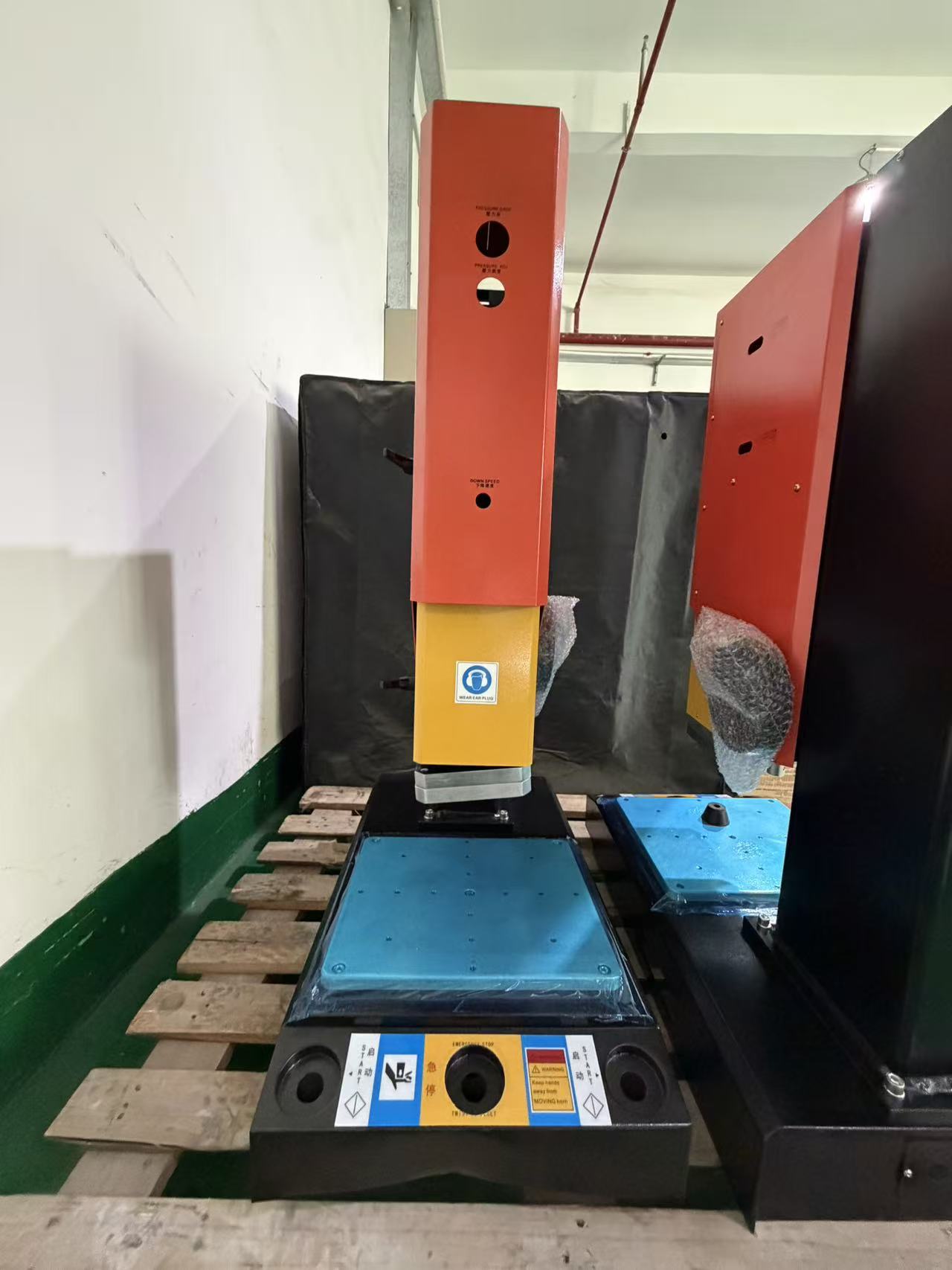
For production lines running Ultrasonic Plastic Welding daily, temperature control is critical to extend component durability. Plastic fusion generates continuous heat that accumulates on the welding horn and booster. Install small cooling fans around the vibrator assembly to keep operating temperature below 60℃. Never overload the machine with power higher than the transducer’s rated parameter; excessive amplitude will crack the horn’s metal structure and wear piezoelectric ceramics rapidly. When switching between different plastic raw materials, pause the machine for 5 minutes to cool core parts before restarting.
Factories carrying out heavy-duty Ultrasonic Metal Welding must pay extra attention to surface wear protection of matching accessories. Metal bonding creates strong friction and tiny metal scraps that scratch the contact face of boosters and transducers. Apply a thin layer of high-temperature anti-wear grease on assembly joints every week, and polish worn horn surfaces regularly to eliminate uneven stress points. Replace aging titanium alloy bolts every three months, as fatigue cracks on bolts will disrupt energy transmission and damage the whole vibrator set.
Workshops focusing on Ultrasonic Nonwoven Welding face unique fiber contamination issues. Tiny nonwoven fibers easily block heat dissipation gaps of transducers. Use compressed air to blow fiber residues out of component gaps at the end of every workday. Avoid long-time continuous non-stop running; set automatic 10-minute rest cycles every two hours to release internal thermal pressure of core parts. Matching the correct power generator to transducer specifications also avoids extra energy loss that wears down internal ceramic chips.
Following these targeted maintenance tips reduces core part failure rates by over 60%. Standardized daily, weekly and monthly inspections eliminate hidden damage, keep consistent welding effect and help factories avoid costly emergency part replacements, supporting long-term stable automated production.